Switching from Tally to Cloud Billing: 5 Things You Need to Know in 2026
By Smart Bill Book Team • June 8, 2026
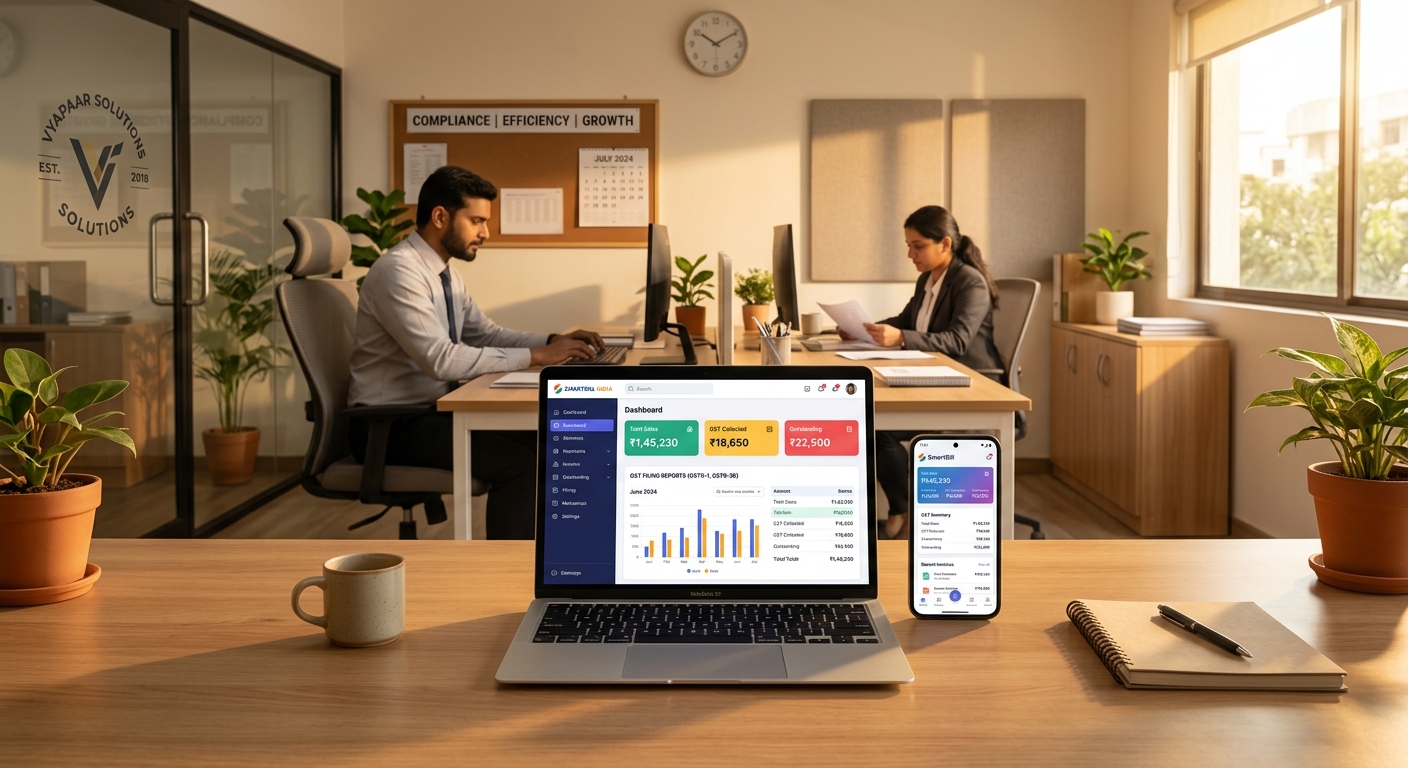
Switching from Tally to Cloud Billing: 5 Things You Need to Know in 2026
For decades, Tally has been the trusted backbone of accounting for millions of Indian SMEs. Its familiar keyboard-driven interface and deep reporting made it the gold standard. But as we step into 2026, the business world is moving faster than ever. The old way of keeping your data locked in a single office computer is becoming a bottleneck for growth. Today, shop owners and entrepreneurs need more than just a digital ledger; they need mobility, automated GST compliance, and the peace of mind that comes with secure, real-time data.
Switching from Tally to cloud billing is no longer just a "tech upgrade"-it is a strategic move to future-proof your business. In this guide, we will break down the five critical things you need to know before making the switch, how cloud technology like Smart Bill Book can transform your operations, and the exact steps to migrate your data without losing a single invoice.
Why Tally Users are Moving to the Cloud in 2026
2026 is a major turning point for business automation in India. With the GST Council making e-invoicing mandatory for businesses with a turnover exceeding ₹5 crore, the "manual" way of working is becoming risky and slow. While many have tried "Tally on Cloud" (which simply hosts the old software on a remote server), it often lacks the speed and mobile-first features of a native cloud platform.
Modern cloud billing solutions are built for the modern entrepreneur. They are designed to work perfectly on your smartphone, tablet, and PC simultaneously. Recent data shows that accountants who switched to native cloud systems reported a 30% jump in productivity. By automating bank reconciliations and eliminating manual data entry, they are finally free to focus on business growth instead of paperwork. If you''re wondering if these systems are right for you, check out our guide on cloud-based billing for startups.
1. Remote Access: Your Office is Now in Your Pocket
The biggest frustration with Tally Prime is being "office-bound." Your data is locked to the machine where the license is installed. Even with remote access tools, the experience is often laggy and complicated. Cloud billing changes the game by liberating your data.
- Real-Time Visibility: Whether you are at a supplier meeting in Mumbai or on a family vacation in Goa, you can check your stock levels, daily sales, and outstanding payments instantly on your phone.
- Simultaneous Collaboration: Your salesperson can generate a bill on-site, your accountant can reconcile it from their office, and you can monitor the profit margin-all at the same time, on the same data.
- Easy CA Collaboration: Stop sending bulky "backup files" via pen drives. Simply invite your CA to your cloud account for real-time audits and faster GST filing.
This "anywhere, anytime" access is essential for businesses with multiple branches or warehouses, where keeping data in sync is usually a nightmare in desktop-based systems. You can learn more about why cloud billing is essential for MSMEs here.
2. One-Click GST Compliance & E-Invoicing
GST compliance in 2026 is unforgiving. With the introduction of GST 2.0 and mandatory 6-digit HSN codes for many SMEs, manual updates are no longer enough. Cloud software handles the complexity for you.
- Automatic Law Updates: When tax rates or filing rules change, cloud software updates itself in the background. You never have to worry about running an outdated version.
- Instant E-Invoices: For businesses above the ₹5 crore threshold, generating an IRN and QR code is now a one-click process within the billing screen. No more manual exports or third-party tools.
- Pre-Verified Filing: Generate your GSTR-1 and GSTR-3B with confidence. The system pre-checks your data for errors, ensuring that your sales records match the GST portal perfectly.
This automation doesn''t just save time-it protects you from the heavy penalties associated with incorrect GST filings and HSN errors. For a deeper dive into compliance, read our complete GST filing guide for 2026.
3. Ending "Hardware Anxiety": Why the Cloud is Safer
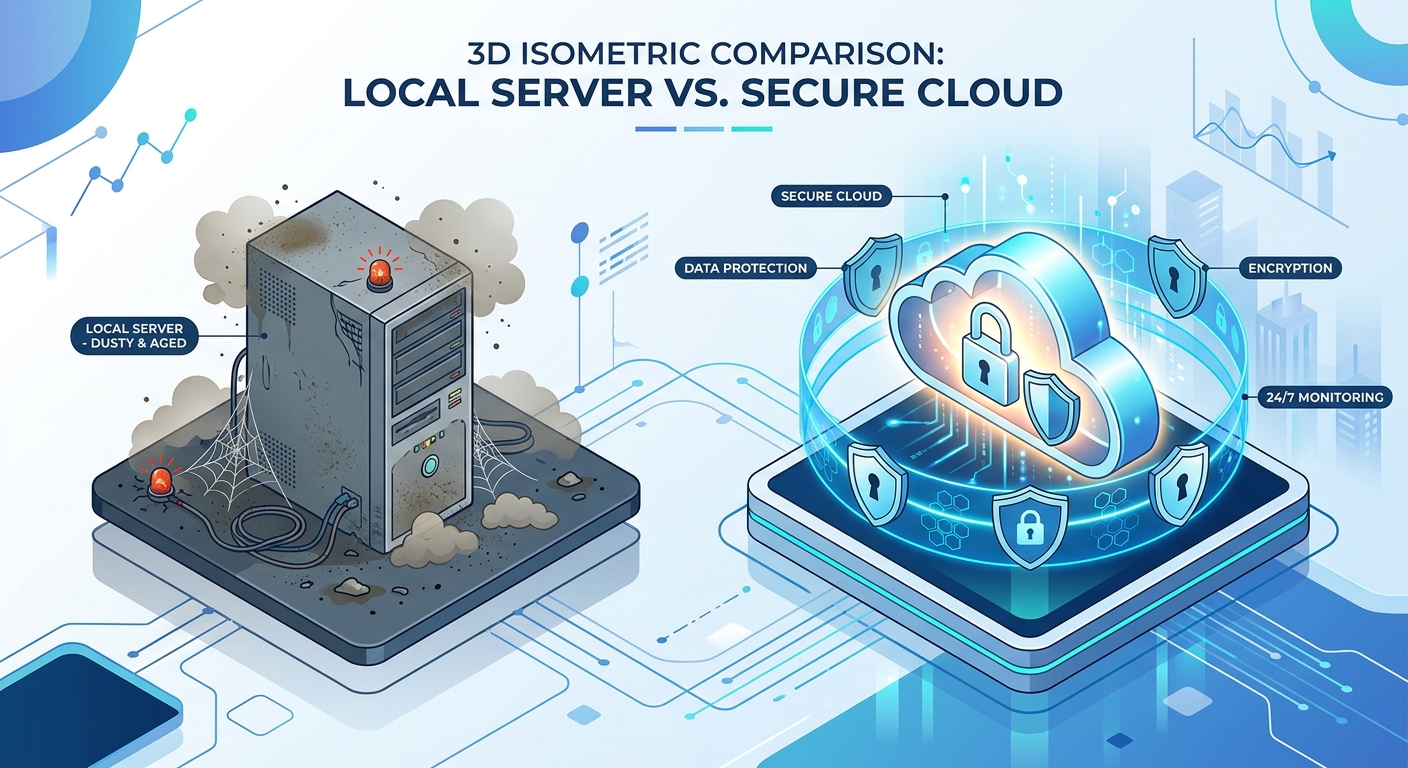
A common myth is that cloud data is "risky." In reality, your local computer is far more vulnerable to hardware crashes, accidental deletion, theft, or even fire. Most SMEs don''t have the IT setup to properly secure a local server.
Smart Bill Book uses bank-level encryption (SSL/TLS) to protect your information. Your data is automatically backed up every few hours across multiple secure data centers. If your laptop breaks or your phone is lost, you don''t lose your business records. You simply log in from a new device and pick up right where you left off. The era of manual pen-drive backups is officially over. Explore more about data security in billing software.
4. A Connected Business Ecosystem (UPI & WhatsApp)
Legacy software like Tally is often "disconnected" from the digital tools you use every day. Cloud billing integrates your entire business workflow into one seamless hub.
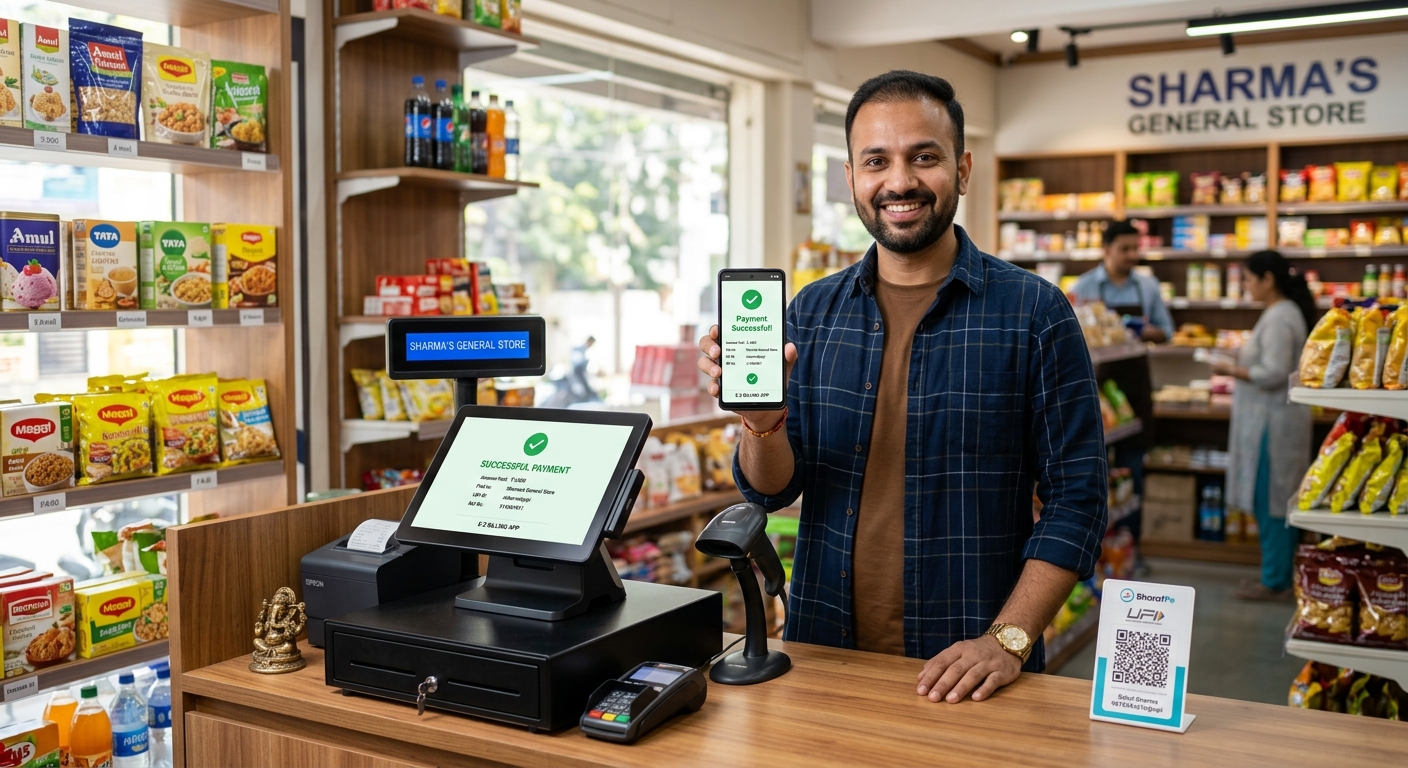
- Smart Payment Links: Send an invoice via WhatsApp with a built-in UPI QR code. Your customers pay instantly, and the system automatically marks the bill as "Paid."
- Auto Bank Reconciliation: Connect your bank accounts to fetch transactions automatically. The system matches payments to invoices using AI, saving you hours of manual tallying.
- WhatsApp Marketing: Send professional invoices, automated payment reminders, and customer statements directly to your client''s WhatsApp, speeding up your collection cycle by up to 2x.
These features move you from simply "recording history" to actively managing your cash flow in real-time. Need help with bank statements? See our bank reconciliation statement guide.
5. Drastic Cost Savings: Moving from AMC to SaaS
The financial math for cloud billing is simple and highly beneficial for SMEs. Traditional software requires a large upfront license fee, followed by Annual Maintenance Contracts (AMC) and the cost of maintaining local servers and networking infrastructure.
Cloud-based billing can reduce your IT overhead by up to 40%. You pay a simple, transparent subscription fee that covers everything: updates, backups, security, and support. There are no "version upgrade" costs or expensive hardware to replace every three years. This shifts your spending from a heavy capital investment (CAPEX) to a manageable monthly expense (OPEX), keeping more cash available for your business growth.
Your Migration Roadmap: 6 Weeks to Cloud Freedom
- Data Cleanup (Week 1): Clean up your Tally ledgers and stock items. Merge duplicates and verify HSN codes.
- Export Masters (Week 2): Export your Ledgers and Stock Items in XML or Excel format.
- The Import (Week 3): Upload your data into Smart Bill Book and map the fields to ensure everything fits perfectly.
- The Parallel Run (Weeks 4-5): This is critical. Continue using Tally but also enter every transaction into the cloud system. Compare the reports at the end of each day.
- The Switch (Week 6): Once the balances match perfectly, lock Tally as "View Only" and go 100% live on the cloud.
Conclusion: It''s Time to Future-Proof Your Growth
The shift from Tally to cloud billing is more than just a trend-it''s a requirement for any Indian business that wants to scale in 2026. By choosing a modern, cloud-native solution like Smart Bill Book, you gain the mobility, security, and automation needed to thrive. Don''t let your business be held back by desktop-locked software. If you''re still deciding, read our guide on choosing the right billing software in 2026. The future of accounting is here, and it''s in the cloud.
Download Smart Bill Book for Windows or Android to automate your GST 2.0 compliance today.
Start Billing Smarter Today 🚀
Join over 1 Lakh businesses using the best billing app in the market.