The 'Phygital' Shift: How Small Retailers Can Compete with Quick-Commerce in 2026
By Smart Bill Book Team • June 15, 2026
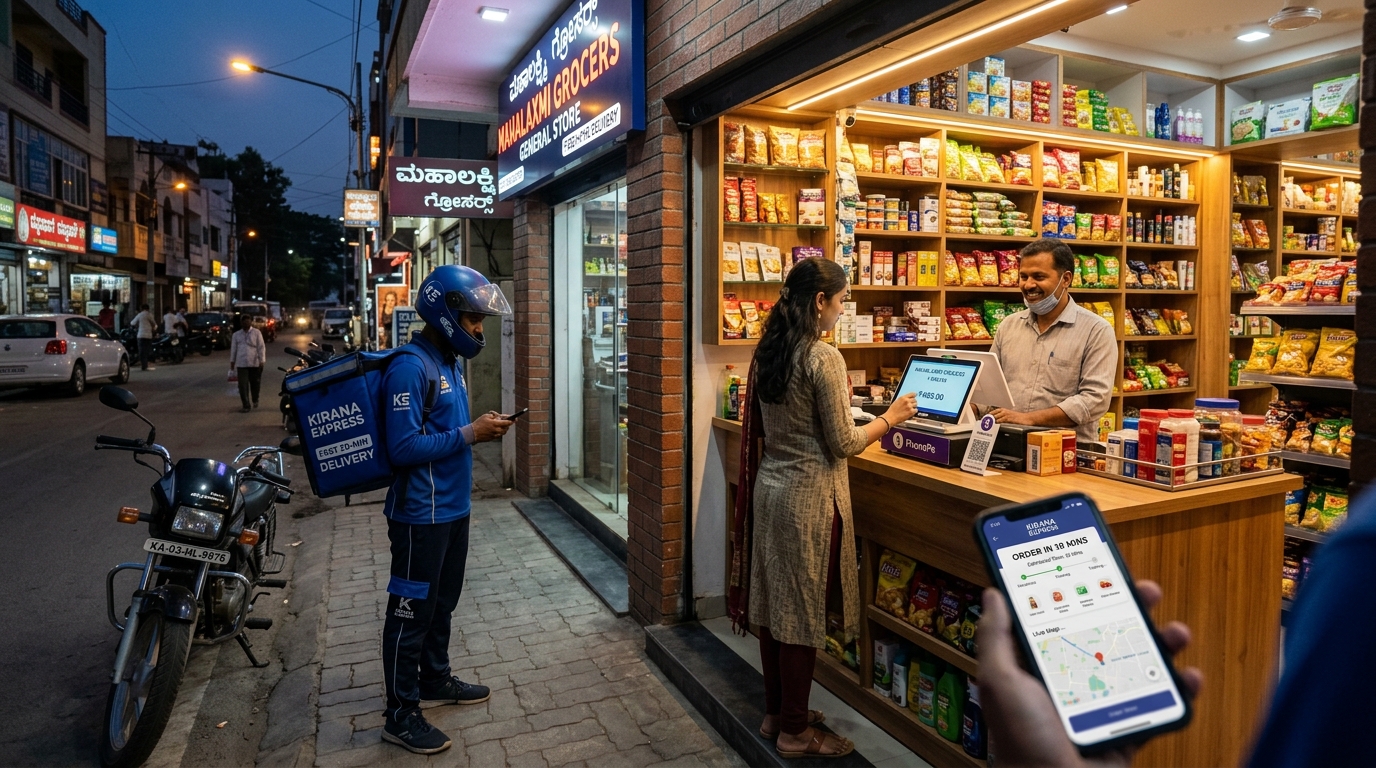
The landscape of Indian retail is undergoing a seismic shift. Walk down any street in Bangalore, Mumbai, or Delhi, and you'll see a familiar sight: bright neon bags of quick-commerce riders zooming past traditional kirana stores. The promise of 10-minute delivery from platforms like Blinkit, Zepto, and Swiggy Instamart has fundamentally altered consumer expectations. In 2026, convenience is no longer just a perk-it is the baseline.
For the traditional neighborhood retailer, this can feel like an existential threat. How can a family-run shop compete with a venture-backed giant that operates massive "dark stores" and commands thousands of delivery riders? The answer lies in a strategy that is becoming the new standard for modern MSMEs: The Phygital Shift.
Phygital-a blend of Physical and Digital-is not just about having a website. It is about leveraging the unique strengths of a local physical store (trust, proximity, freshness) and supercharging them with digital tools (ONDC, hyperlocal delivery, and real-time POS). In this guide, we will explore how you can turn your "small" shop into a high-tech fulfillment hub that can stand toe-to-toe with any quick-commerce giant.
The 10- Minute War: Why Quick-Commerce is Winning (and Why You Shouldn't Panic)
Quick-commerce is winning because it solved a specific problem: the "I need it now" impulse. Whether it's a missing ingredient for dinner or a late-night craving, dark stores are optimized for pure speed.
However, the dark store model has significant weaknesses:
- High Operational Costs: Maintaining dedicated warehouses in prime residential areas is expensive.
- Limited Variety: They prioritize high-moving SKUs (Stock Keeping Units), often missing out on regional favorites or niche products.
- Lack of Trust: Algorithms don't know your name, and they don't offer "Khata" (credit).
Traditional retailers, on the other hand, are already embedded in the community. You are closer to your customers than most dark stores. Your proximity is your greatest asset-you just need the digital rails to leverage it. For more on this, check out our guide on why cloud-based billing software is essential for MSMEs.
Defining 'Phygital': The Best of Both Worlds
The "Phygital" retailer doesn't choose between a physical counter and a digital app; they use both to create a seamless experience.
The Physical Moat:
- Trust & Relationships: You know which brand of tea your regular customer prefers.
- Quality Inspection: Customers can touch, feel, and smell fresh produce.
- Immediate Gratification: No 10-minute wait if they walk in.
The Digital Edge:
- Discoverability: Customers can find your stock on their phones while sitting on their sofa.
- Hyperlocal Delivery: You can deliver to their doorstep faster than a dark store 3 kilometers away.
- Data-Driven Inventory: Knowing exactly what is selling so you never run out of stock.
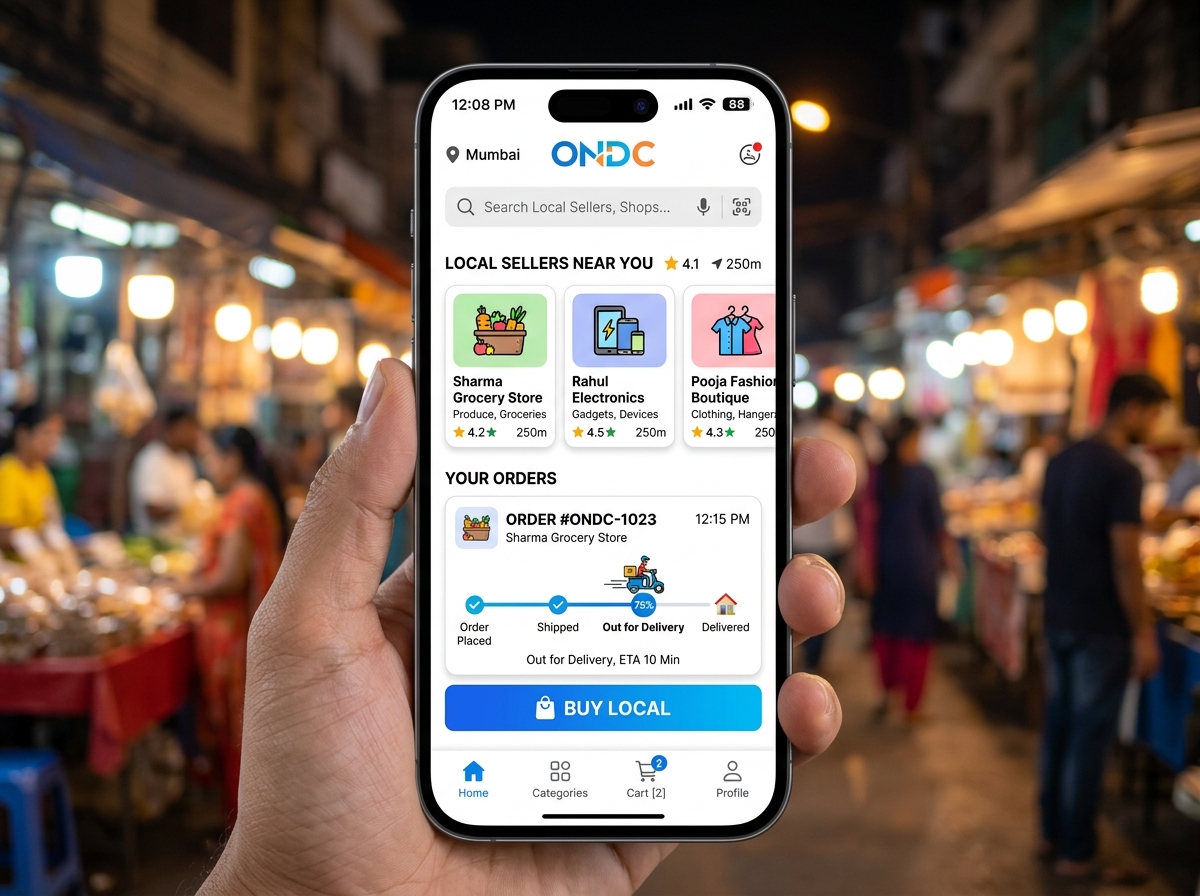
The Great Equalizer: ONDC (Open Network for Digital Commerce)
For years, small retailers were "locked out" of the digital economy by high commissions (25-30%) from dominant aggregators. ONDC is changing the game in 2026.
ONDC unbundles the market. You don't need to build your own app. You simply register on a Seller App (like Mystore or SellerApp), and your products become visible on every Buyer App (like Paytm, PhonePe, or Magicpin).
Why ONDC is a game-changer:
- Low Commissions: Fees are typically 5-10%, allowing you to keep your prices competitive.
- Wider Reach: You are visible to millions of users across different apps.
- Data Ownership: You get access to your customer data, allowing for direct marketing via WhatsApp.
Hyperlocal Logistics: 30-Minute Delivery for the Neighborhood Shop
The biggest hurdle for small shops has always been delivery. Hiring a dedicated delivery boy is often not cost-effective.
In 2026, you can use Logistics-as-a-Service (3PL). Providers like Shadowfax, Dunzo, and Shiprocket are now fully integrated into the ONDC network. When an order comes in, a rider is automatically assigned. They pick up the order from your shop and deliver it within 15-30 minutes. You only pay per delivery, turning a fixed cost into a flexible one. This is similar to how embedded finance is changing billing and payments.
BOPIS & Digital Discovery: Turning Your Shop into a Tech Hub
BOPIS (Buy Online, Pick Up In-Store) is a powerful trend. Many customers prefer to browse and pay on their phone but pick up the item on their way home to save on delivery fees or ensure they get exactly what they saw.
How to implement this:
- In-Store QR Codes: Place QR codes on your shelves. If a customer sees something they like but can't carry it now, they can scan, pay, and have it delivered later.
- WhatsApp Business: Use the "Catalog" feature to show your daily specials. A simple "Fresh mangoes just arrived!" message with a payment link can trigger a flurry of orders. This modern approach is why many are switching from Tally to Cloud Billing.
The Tech Foundation: Why POS Integration is Non-Negotiable
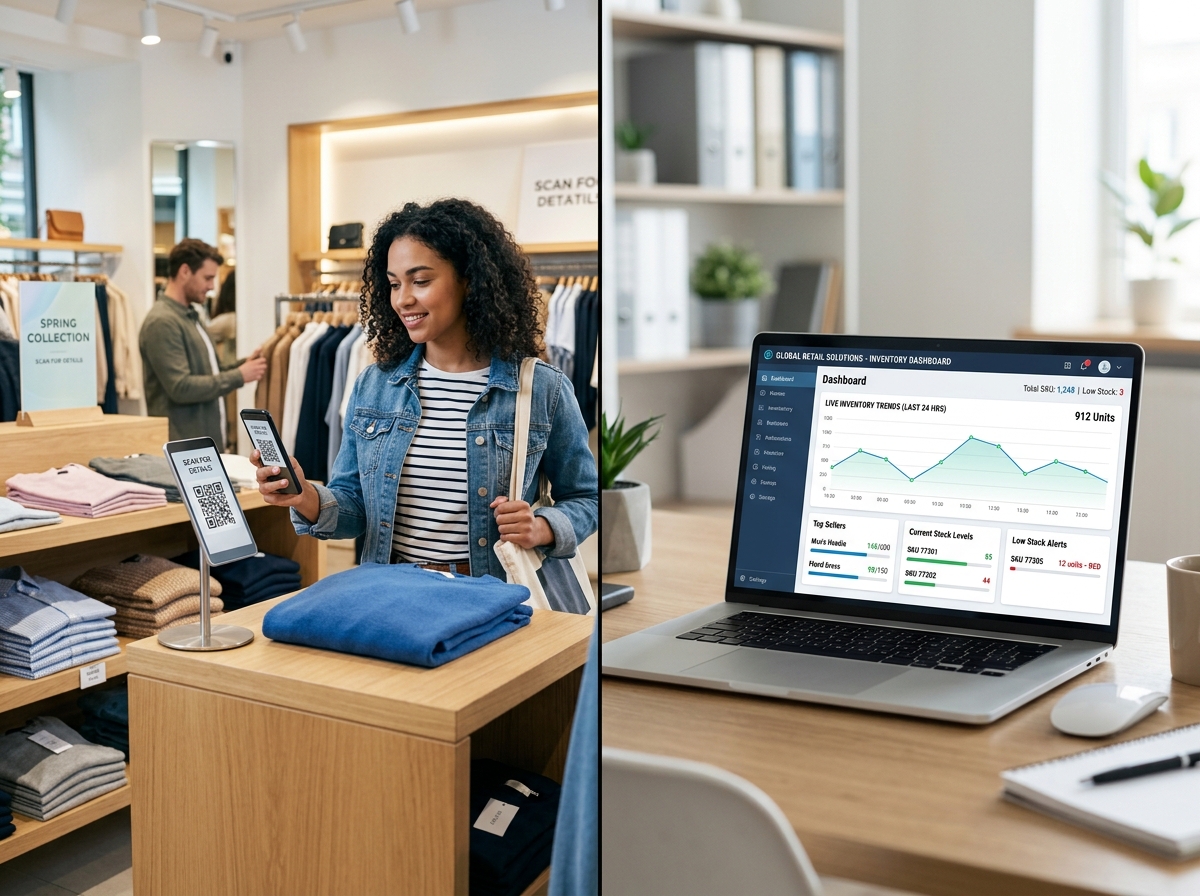
The "Phygital" model fails if your digital stock doesn't match your physical shelf. Imagine a customer ordering a specific oil on ONDC, only for you to realize you sold the last bottle to a walk-in customer five minutes ago. Order rejections lead to poor ratings and lower visibility.
This is where a Smart POS (Point of Sale) like Smart Bill Book becomes essential.
- Real-Time Sync: Every time you scan an item at the counter, your ONDC inventory is updated instantly.
- Automated GST: Compliance is handled automatically, from HSN codes to GSTR filings. Learn more in our complete GST filing guide for 2026.
- Customer Insights: Track your walk-in and digital customers in one place.
Action Plan: 5 Steps to Go Phygital Today
- Digitize Your Inventory: Move away from paper notebooks. Use a smart billing app to record every item in your shop.
- Onboard on ONDC: Pick a seller app and list your top 50 high-demand products.
- Activate Hyperlocal Delivery: Connect with a 3PL provider to handle your last-mile logistics.
- Market Locally: Use in-store posters and WhatsApp groups to tell your neighborhood that you now deliver in 30 minutes.
- Leverage Trust: Continue offering the personal service that quick-commerce can't replicate. Use digital tools to enhance that relationship, not replace it.
The future of Indian retail isn't just online or just offline-it's Phygital. By embracing these tools, the neighborhood kirana store isn't just surviving; it's leading the next revolution in commerce.
FAQ: Competing with Quick-Commerce
Is ONDC expensive for small retailers?
No, ONDC is designed to be low-cost, with commissions significantly lower (5-10%) than traditional food or grocery aggregators. It’s an open network aimed at empowering SMEs.
Do I need my own delivery riders?
No, you can leverage integrated 3PL (Third-Party Logistics) providers like Shadowfax or Dunzo. These services provide "on-demand" riders who pick up and deliver for you, so you only pay when you have an order.
Can I still offer 'Khata' (credit) in a Phygital model?
Absolutely! In fact, digital tracking of Khata in your POS (like Smart Bill Book) makes it easier to manage inventory and finances for better profits, send automated reminders, and ensure healthy cash flow while maintaining that traditional trust.
Start Billing Smarter Today 🚀
Join over 1 Lakh businesses using the best billing app in the market.